
Ministry of Agriculture

The Hydro-Agricultural Development Project
For the Preservation of the SaÏSS Plain

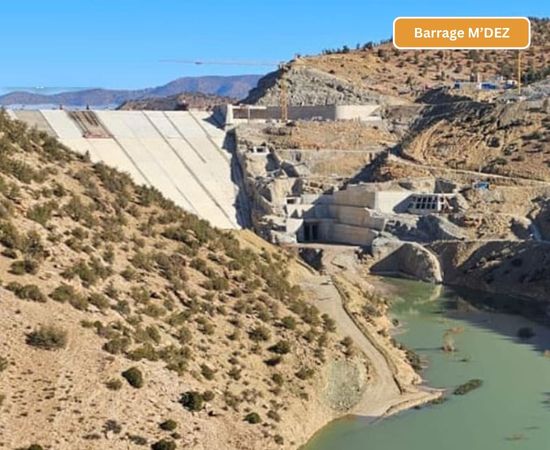
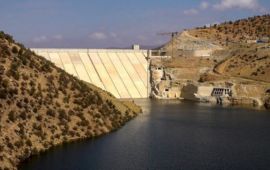
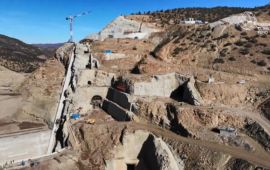
The hydro-agricultural development project for the Saïss plain aims to secure irrigation water, protect the groundwater table and sustainably support agriculture and rural life through a modern water supply system from the M’Dez dam.

Why this project?


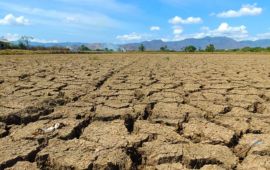
Since the droughts of the 1980s and 1990s, many farmers in the Saïss plain have turned to irrigation to preserve their crops, mainly using surface water from springs linked to the Fès–Meknès aquifer system. However, the repetition of drought periods, intensified by the effects of climate change, has led to a significant decline in these surface water resources.

Faced with this shortage, the use of groundwater intensified sharply, which caused a significant drop in the level of the aquifer, reaching nearly 3 meters per year, as well as a deficit estimated at around 137 million cubic meters per year.

This situation has weakened agriculture, threatened several investments and affected the living conditions of rural populations. It is in response to these challenges that the hydro-agricultural development project for the Saïss plain was launched. It aims to sustainably preserve water resources, reduce pressure on the aquifer, secure irrigation through the mobilization of surface water, and support sustainable agricultural development that is resilient to climate change.

The project in figures...

135
Kilometres
of water transfer pipeline
7200
farms supplied
with water
125
Mm³/year of water conveyed from
the M’déz dam
30000
hectares benefiting from the hydraulic distribution network

A project serving citizens and the territory

Projet Saïss


The hydro-agricultural development project for the Saïss plain is above all a project serving residents, farmers and the entire territory. By mobilizing more reliable water resources, the project helps preserve the means of subsistence of rural populations, improve their living conditions and strengthen the resilience of the territory in the face of climate change.

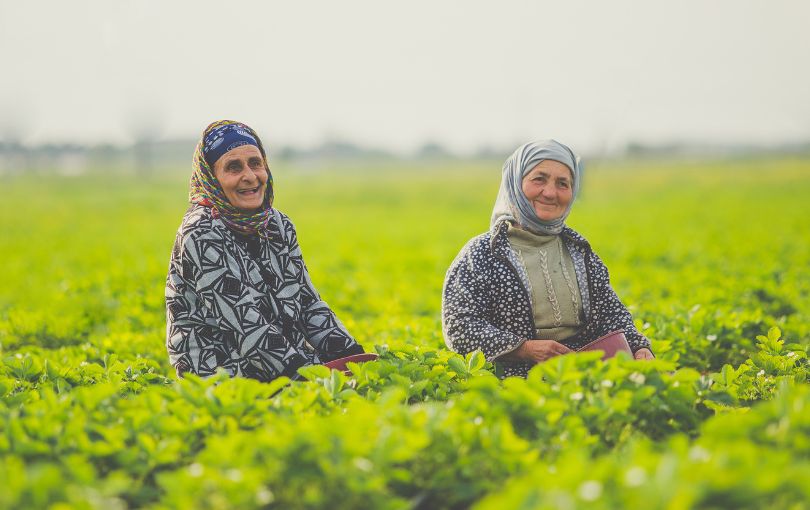
Because it directly concerns citizens, the project attaches particular importance to social inclusion and the involvement of local actors, notably through a participatory approach as well as specific actions in favor of rural women and young people.

THE GENDER APPROACH

An approach aimed at strengthening the economic inclusion of rural women by improving their access to resources, opportunities and means of production.

THE PARTICIPATORY APPROACH

An approach based on the active involvement of farmers, local stakeholders and institutions in order to promote support, consultation and proper ownership of the project on the ground.

Putting citizens at the heart of the project

The two approaches place rural populations at the center of the project. They aim to listen to their needs, understand their expectations and build actions that truly respond to their reality on the ground.
Promoting inclusion and equal opportunities

Whether through the participation of local stakeholders or the specific consideration of rural women, both approaches seek to give everyone a place and to guarantee greater equity in access to opportunities.

Strengthening support for and ownership of the project

By involving beneficiaries and highlighting the role of women and local communities, these approaches contribute to a better understanding of the project, to its acceptance and to its long-term success.

Contributing to sustainable and socially balanced development

Both approaches support responsible agricultural development, more human and more inclusive, by ensuring that the impacts of the project genuinely benefit the territory and its inhabitants.

News & Articles

Stay informed

Subscribe to our newsletter
Ministry of Agriculture